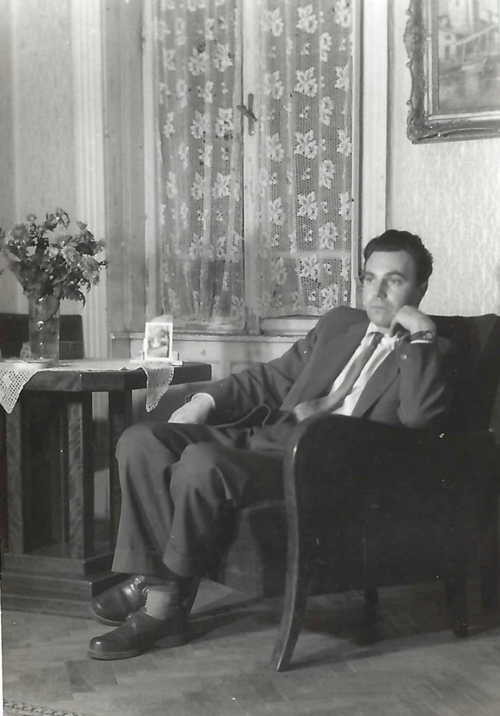
 After the second world war, the owner’s father – Otto Bálint (pictured) – started collecting stamps to help his family survive. He began selling and buying stamps on a personal basis, and over time, the stamp collection grew and became a personal business. However, the business never reached the level of establishing a company.
Stamp collection during the Second World War was a popular hobby for many people, and it also played a significant role in the war effort. For some collectors, stamp collecting during the war was a way to escape from the realities of the conflict. It was a calming and peaceful activity that allowed them to forgetabout the chaos of the world around them. Many people found comfort in collecting stamps, and the hobby provided a much-needed distraction from the stress and uncertainty of the war.
In addition to being a source of comfort, stamp collecting also played an important role in the war effort. Stamps were used to help raise money for the war, and many collectors contributed to this effort by purchasing war savings stamps and bonds. These stamps and bonds helped to finance the war and support the troops on the front lines.
Stamp collecting had a more covert role during the war. Some collectors used stamps to smuggle messages and information across enemy lines. This practice, known as “steganography,” involved hiding secret messages in the design of the stamps themselves. Collectors would carefully select stamps with designs that could be used to encode messages, and then use these stamps to send secret messages to allies or to collect information from enemy sources.
Overall, stamp collecting during the Second World War was a diverse and multifaceted practice. For some, it was a peaceful hobby that provided a much-needed escape from the chaos of the war. For others, it was an important tool in the war effort, used to raise money for the war and to secretly communicate vital information.
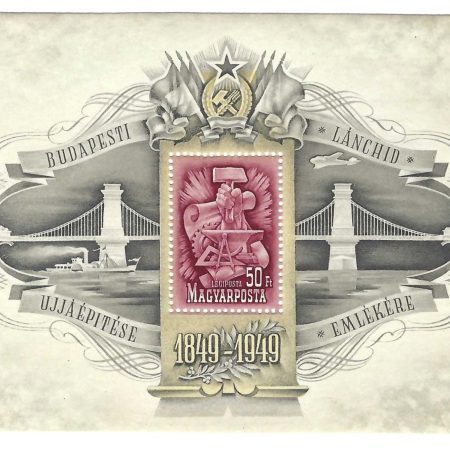
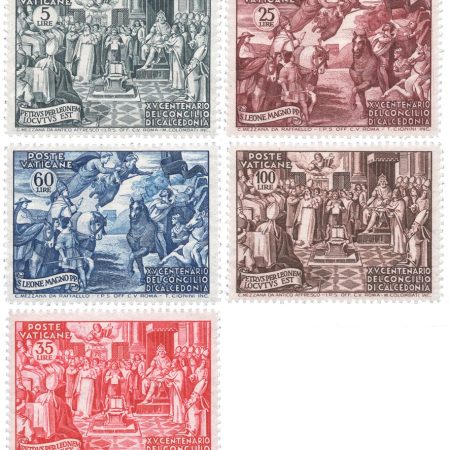
Otto Bálint recognized the value of the Hungarian stamps issued during and before the war due to the increased interest from people abroad – outside Hungary – to start collecting or completing their collection with Hungarian stamps and he started the business with a small investment buying Hungarian stamps and sell it abroad. Thanks for the Family members living in Austria, Germany and in the USA it was not difficult, but a bit risky. He and his Family took the risk …
After the Second World War, Hungary was occupied by Soviet forces and became a communist state. The Hungarian government took control of the country’s postal service and began issuing its own stamps. Stamp collecting continued in Hungary after the war, but the hobby was subject to government oversight and censorship.
The stamps issued by the Hungarian government during this time depicted propaganda messages, such as promoting the country’s communist ideology, praising the accomplishments of the socialist state, and highlighting its political leaders. While some collectors may have been interested in these stamps for their historical significance, they were not as popular with collectors as stamps from other countries.
Despite the government’s control over stamp production and distribution, some collectors in Hungary were still able to pursue their hobby. They traded stamps with each other, collected stamps from other countries, and even created underground stamp clubs to share their collections. Otto Bálint was one of them. He built up a significant collection of Hungarian stamps and was also interested in stamps from other countries, thus built a large collection accordingly. He was able to travel to stamp exhibitions and meet other collectors, despite the government’s restrictions on travel.
Many many years later, the son of the founder saw an opportunity to expand the stamp collection and make it more widely available. He decided to put a company behind the collection – Bálint Philately Limited -, enlarging it and making it available on a wider field hoping this move led the collection to a significant growth in the business as well as the establishment of partnerships both in Europe and overseas, especially in the USA.
As technology developed, the son and grandchildren recognized the potential of creating a webshop to reach an even wider audience. Today, the stamp shop is a thriving business with a wide range of stamps and collections available for collectors all over the world.
Despite the company’s growth, the owners have never forgotten their humble beginnings and the personal touch that started it all. The stamp shop remains committed to preserving the legacy of stamp collecting and providing a platform for collectors to explore and appreciate the beauty and significance of these small but meaningful artifacts as a part of the human history, art and tradition.
The owners of the company are family members of the Bálint family – son and all grandchild of the “founder” – and aiming to keep the business under the control of the Family for long.